Preceptor Empowerment Program



Thank you for completing the Preceptor Empowerment Program. This document contains topics presented in class that will be helpful personally and professionally as you develop as a preceptor.
Preceptor Resources That Are Available to You Anywhere
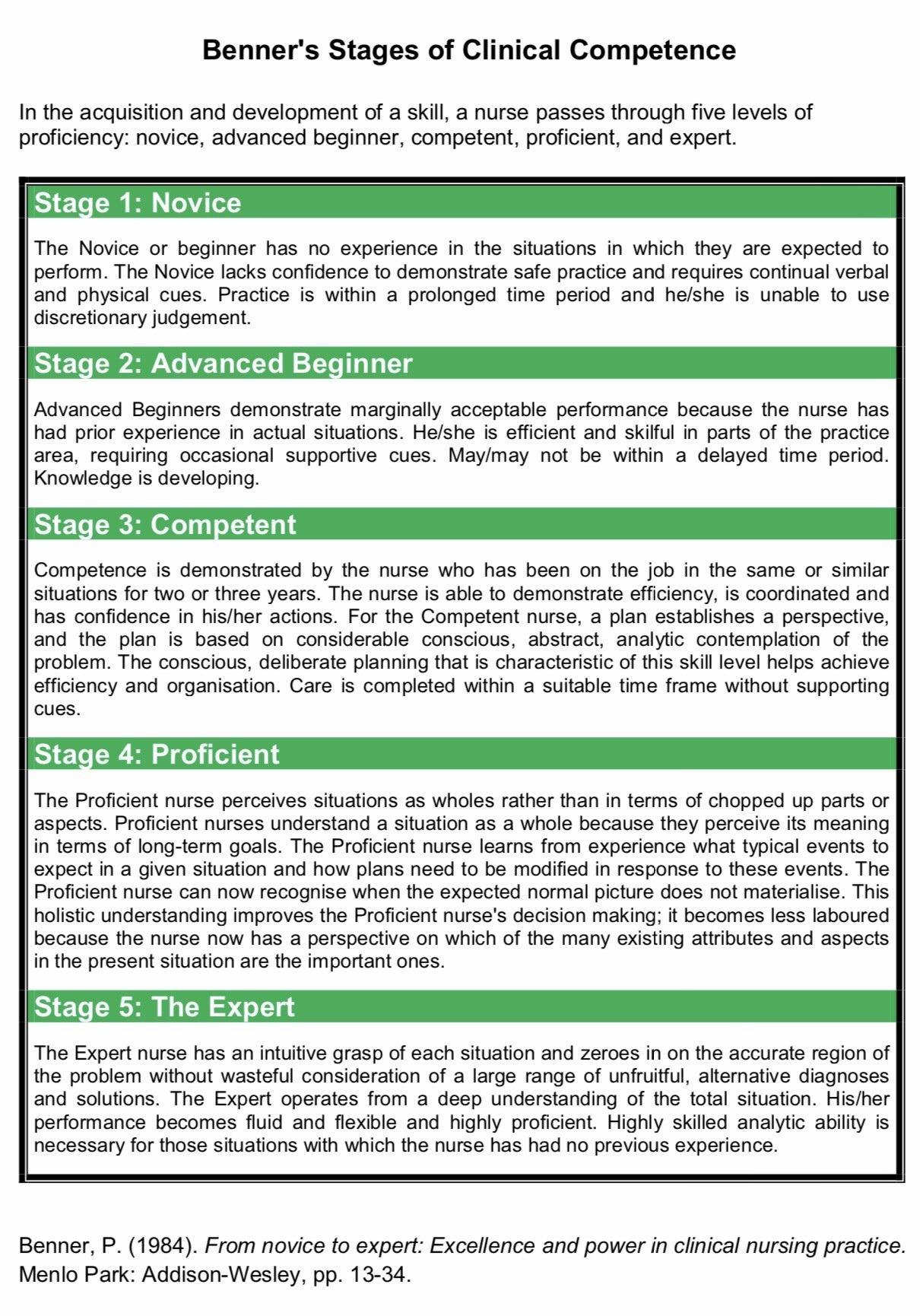
Benner's Stages of Clinical Competence
Click on the icon to the download or view the document
VARK Learning Assessment
VARK Learning Assessment (hyperlink to external site)

True Colors Assessment

Instructions:
1. Order the colors from 1 to 4. 1- Being your LEAST favorite to 4- Being your MOST favorite
2. Read each row of characteristics. Order the traits from 1 to 4. 1- Being LEAST like you to 4-Being MOST like you.
3. Add up the totals for each column. Do NOT count the rows immediately underneath the colors.
4. Identify your "dominant" color by the column with the highest number.
Click on the icon to the download or view the document
True Colors Assessment Key
Click on the icon to the download or view the document
Married State Model - Harris Health System's Primary Preceptor Model

Providing Feedback
Do's and Don'ts of Feedback
Click on the icon to the download or view the document
Click on the icon to the download or view the document
Remember when providing Feedback:
- Timing is everything... give feedback as soon as possible
- Praise in public, provide constructive criticism privately
- Don't discuss the conversation with uninvolved parties
- Escalate Safety concerns immediately to leadership
- Watch your tone and body language during intense, high emotion conversations
- Use the weekly evaluation to paint a clear picture of the orientee's strengths and opportunities
- Be specific and objective with your feedback
- AVOID Blur words ex." You are doing better today with med pass"...Use data points ex. " You were able to administer all your meds by 9:30 a.m. and begin to open your charts. This is big improvement. Last week med pass was complete at 10 a.m."
- Be honest. Do not delay reporting unsafe practice
Methods to Build Critical Thinking (Socratic Conversations)

Dealing with Reality Shock with a New Nurse

How you can support your resident:
Honey Moon Phase
- Harness Energy and enthusiasm for learning
- Be realistic, do NOT put out their fire
- Assist in socialization and integration into their new culture
- Develop bonds of trust and mutual respect
Shock Phase
- Offer support- be a good, non judgmental listener
- Offer objective points of view by acknowledging negative and highlight positives
- Determine what is expected (ex. overwhelmed and inadequate for) versus a true safety concern (ex. being pressured by physician to quickly discharge a patient who has had a sudden change in cognition without additional evaluation)
- Help them regain perspective... every nurse has gone through this phase, including you
- Encourage self care- appropriate rest, breaks, and on days off recharge and participate in activities they enjoy
Recovery Phase
- Assist in seeing the positives
- Support participation in improving the work environment
Resolution Phase
- Help them see the positive aspects of their job in order to maintain ongoing happiness
- Assist in use of new coping skills
- Acknowledge milestones
Don't Forget these Resources provided by the organization:
How to Create an Up to Date Account
